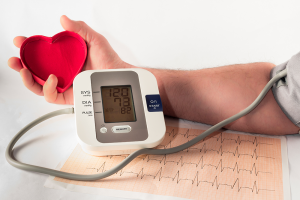
Feeling pain or weakness in your legs as you walk? This may be a symptom of Peripheral Artery Disease, which shares the same underlying process as heart disease.
Peripheral Artery Disease
Pain in your legs when you walk?
Peripheral Artery Disease, or PAD, is a condition that affects blood flow to your legs and may signal broader heart health issues. When your muscles don’t get enough blood during activity, such as walking, you can feel pain, cramping or weakness in your legs. PAD and heart disease share the same underlying process, so PAD can also be a window into your heart health.
Symptoms of PAD
If you experience any of the following when you walk or move, talk to your doctor:
Cramping, aching, or fatigue in your calves, thighs, or hips
Pain that begins with activity and improves with rest
Legs that feel weak or tired
Cold feet or lower legs
Slow-healing wounds on your feet or toes
Changes in skin color on your legs
These symptoms are common, but not normal. Many people assume PAD is just part of aging. It’s not.
If you have one or more of these risk factors, ask your doctor whether screening for PAD makes sense.
Treating PAD with Supervised Exercise Therapy
If you’ve been diagnosed with PAD, or think your symptoms may be related, talk with your primary care provider about whether Supervised Exercise Therapy, or SET, is right for you.
We are the first in the region to offer this non-surgical treatment for people with PAD.
In this program, you’re supposed by a trained Cardiac Rehab care team who understands PAD and how it affects your body. It includes:
3 structured walking sessions per week for 12 weeks (30-60 minutes per session)
Careful monitoring of heart rate and blood pressure
Walking to the point of discomfort, then resting
Gradual increases in activity as your condition improves
SET is covered by Medicare and many private insurers.
No. Many people think they are just slowing down. But leg pain that stops when you rest is a medical sign. It means your body needs better blood flow. The good news is that PAD can be treated. You do not have to live with the pain.
No. There are no needles, no cuts, and no surgery. It is a natural way to get healthy. It is often the first step doctors suggest before they even think about surgery.
You will walk on a treadmill at a slow pace. When your legs start to ache, you sit and rest. Our team will watch your heart rate and blood pressure the whole time. We make sure you are safe and comfortable. Each visit lasts about an hour.
Most people come for therapy three times a week. The program usually lasts for about 12 weeks. Many patients start to feel better and walk further in just a few weeks!